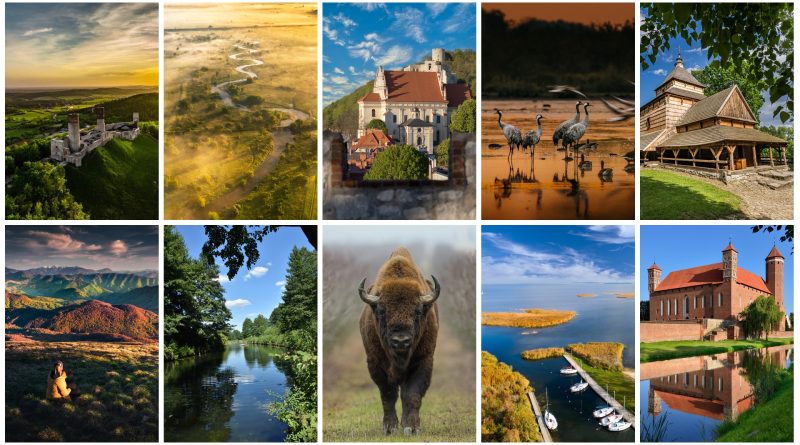
Eastern Poland: The Energy of Nature
Discover the landscapes and cultural heritage of Eastern Poland
Eastern Poland is one of the most diverse and authentic parts of Europe — a region of lakes, rivers, forests, wildlife, mountains and historic architecture.
From unspoiled natural landscapes and unique wildlife to historic towns, castles, churches and cultural landmarks, the regions of Lubelskie, Podkarpackie, Podlaskie, Świętokrzyskie and Warmia and Mazury offer a unique combination of nature, history and local identity.
This exhibition invites visitors to discover selected places and landscapes of Eastern Poland through photography, presenting the beauty, atmosphere and diversity of the participating regions.
Below you can discover selected photographs and descriptions presenting the natural beauty, architecture and cultural heritage of Eastern Poland.
Świętokrzyskie Region
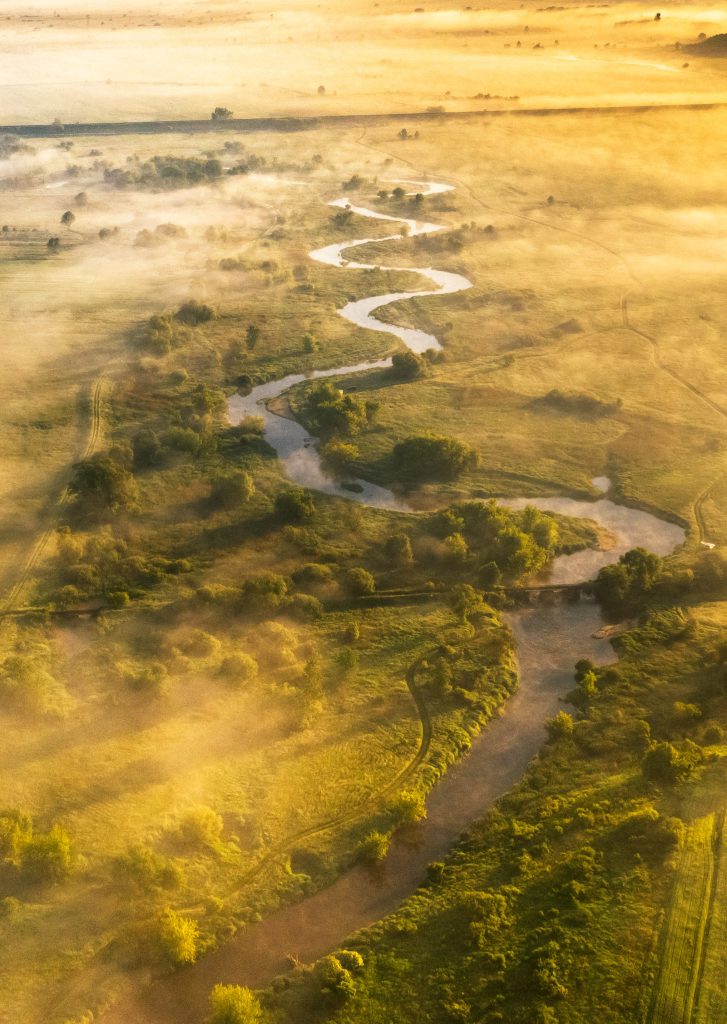
Nida River – Świętokrzyskie Region, photo by Piotr Michalec
The Nida is one of Poland’s most picturesque rivers, gently winding through the heart of the Świętokrzyskie region. Flowing across the protected area of the Nadnidziański Landscape Park, it reveals rare gypsum formations and unique xerothermic vegetation found in few places in Europe. Its calm current, wide meanders and unspoiled surroundings create ideal conditions for kayaking, birdwatching and slow travel. Along the Nida, visitors can reconnect with nature and experience a quieter, more authentic side of Poland.
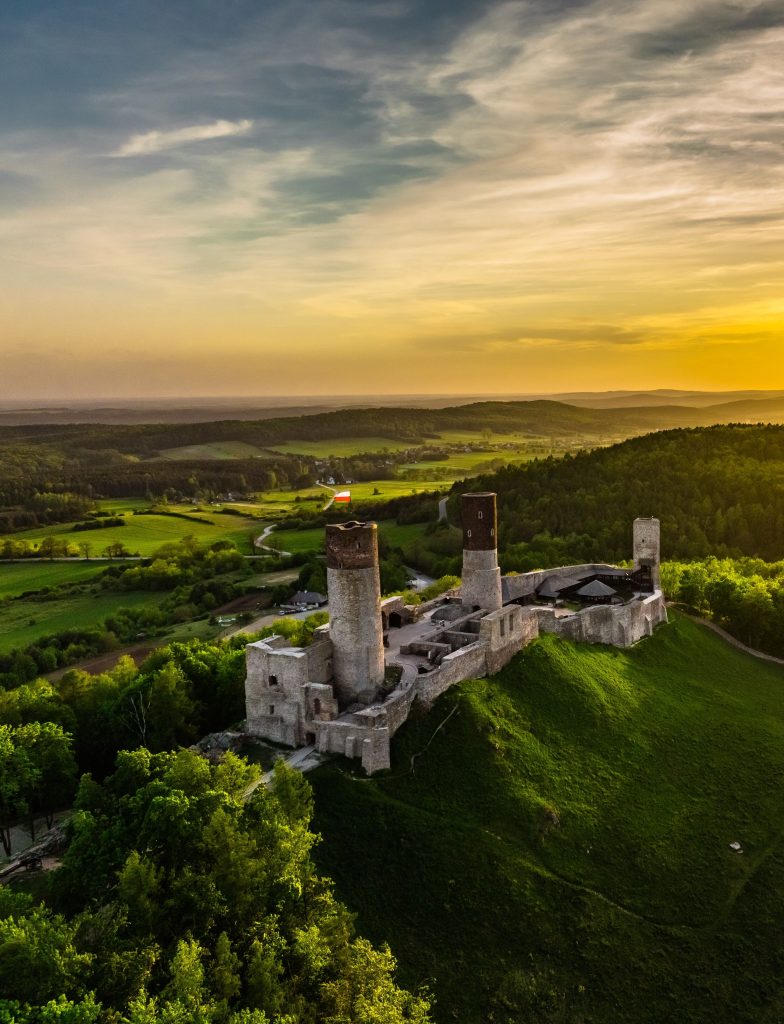
Royal Castle in Chęciny – Świętokrzyskie Region, photo by Sławomir Rakowski
The Royal Castle in Chęciny is one of the most iconic landmarks of the Świętokrzyskie region and a striking symbol of Poland’s medieval heritage. Built at the turn of the 13th and 14th centuries, it once served as a royal stronghold and a treasury of the Polish Crown. Perched on a hilltop, the castle offers breathtaking panoramic views of rolling hills and historic landscapes. Today, it invites visitors to explore its ancient walls and discover the timeless atmosphere of Poland’s royal past.
Lubelskie Region
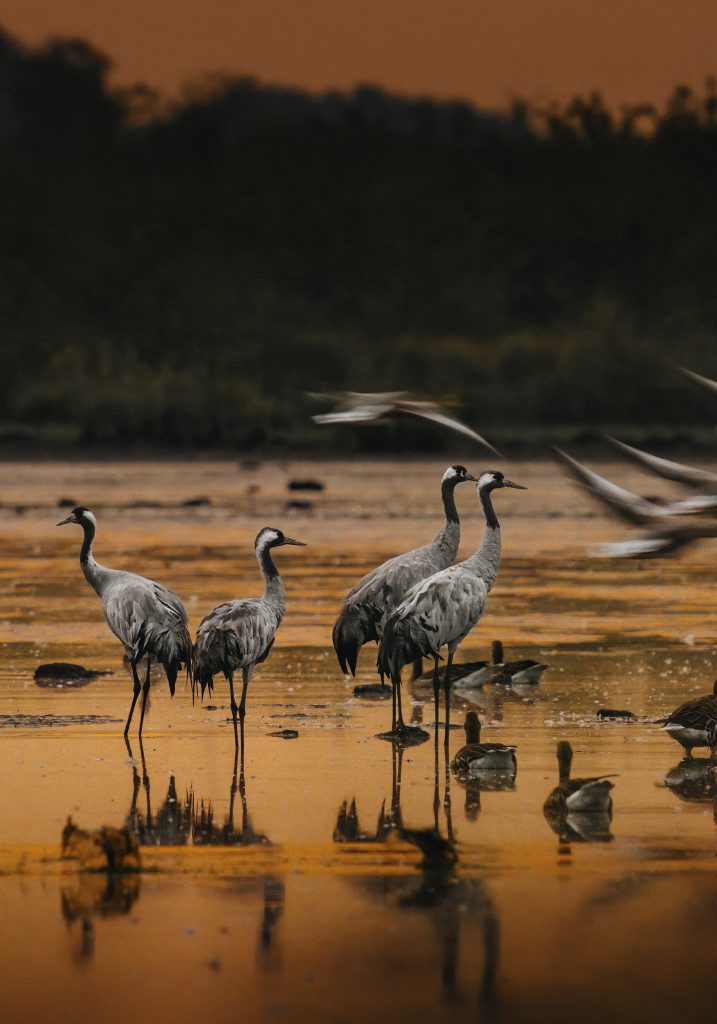
Cranes in Polesie National Park – Lubelskie Region, photo by Andrzej Niezgoda
Established in 1990 as Poland’s first wetland national park, it protects extensive peat bogs, shallow lakes and ponds that form a natural refuge for many rare species of flora and fauna. Listed under the RAMSAR Convention, it is also part of the Transboundary West Polesie Biosphere Reserve. The peatlands and marshy forests are home to vegetation typical of tundra and forest‑tundra ecosystems. The area supports large populations of elk, European pond turtles, aquatic warblers, cranes, herons and beavers. The symbol of Polesie National Park is the majestic crane, which forms flocks of several thousand birds during spring and autumn migrations. The park is a breeding site for more than 150 bird species. Birdwatchers and nature enthusiasts can enjoy dedicated trails and observation points offering close encounters with the unique landscape and wildlife of Polesie.
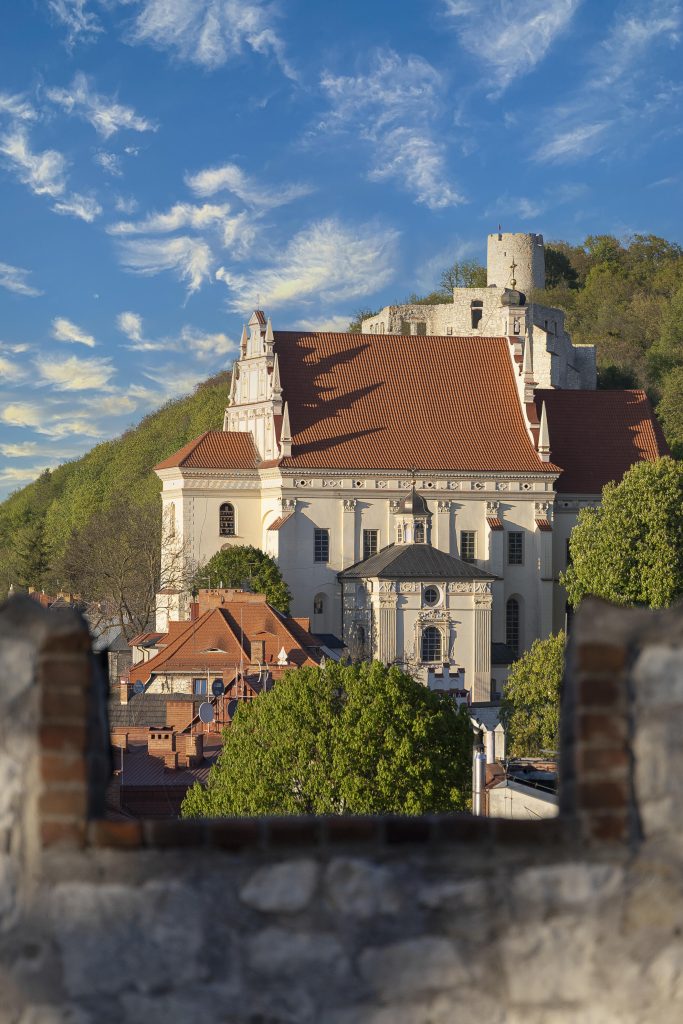
Kazimierz Dolny – Lubelskie Region, photo by Michał Lenart
Kazimierz Dolny is the most popular tourist destination in the Lubelskie region, famous for its Renaissance architecture and beautiful natural landscape along the Vistula River. The town is known for its medieval castle and tower, charming market square, historic granaries and picturesque parish church. Visitors can enjoy walking along the riverside promenade, taking boat trips and exploring the loess ravines and scenic trails of the Kazimierz Landscape Park, which offer stunning views of the town and the river.
Podkarpackie Region
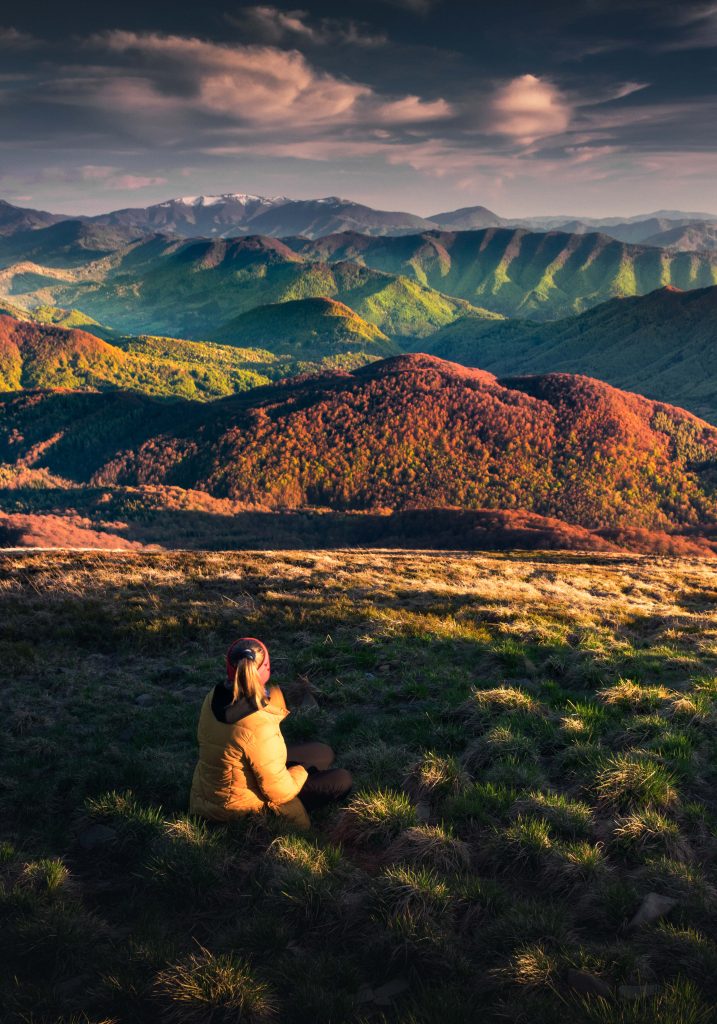
Bieszczady Mountains – Podkarpackie Region, photo by Karol Nienartowicz
The Bieszczady Mountains are the lowest range of the Eastern Carpathians, which stretch across Poland, Ukraine, and Slovakia. The Polish side includes the Western Bieszczady, whose highest peak is Tarnica, rising to 1,346 m above sea level. The Bieszczady trails captivate visitors not only with their unique views from the mountain meadows and peaks but also with their rich flora and fauna. To protect this biodiversity, the Bieszczady National Park was established there.
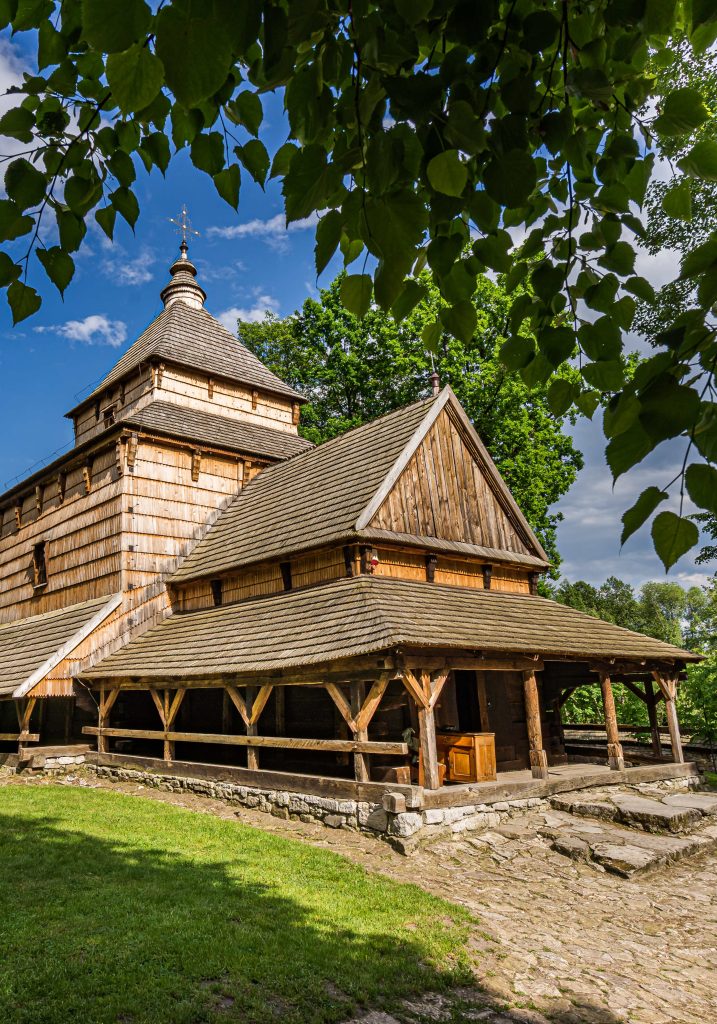
Eastern Orthodox Church in Radruż – Podkarpackie Region, photo by Michał Bosek
Podkarpackie is a region in Europe where true gems of wooden architecture are concentrated within a relatively small area. Along 9 routes, with a total length of 1,202 km, you can see churches, Orthodox churches, historic manor houses, hunting lodges, townhouses, and spa villas. As many as 6 sites have been inscribed on the UNESCO World Heritage List. One of them is the Orthodox Church of St. Paraskeva in Radruż, built at the end of the 16th century. Not a single nail was used in its construction.
Podlaskie Region
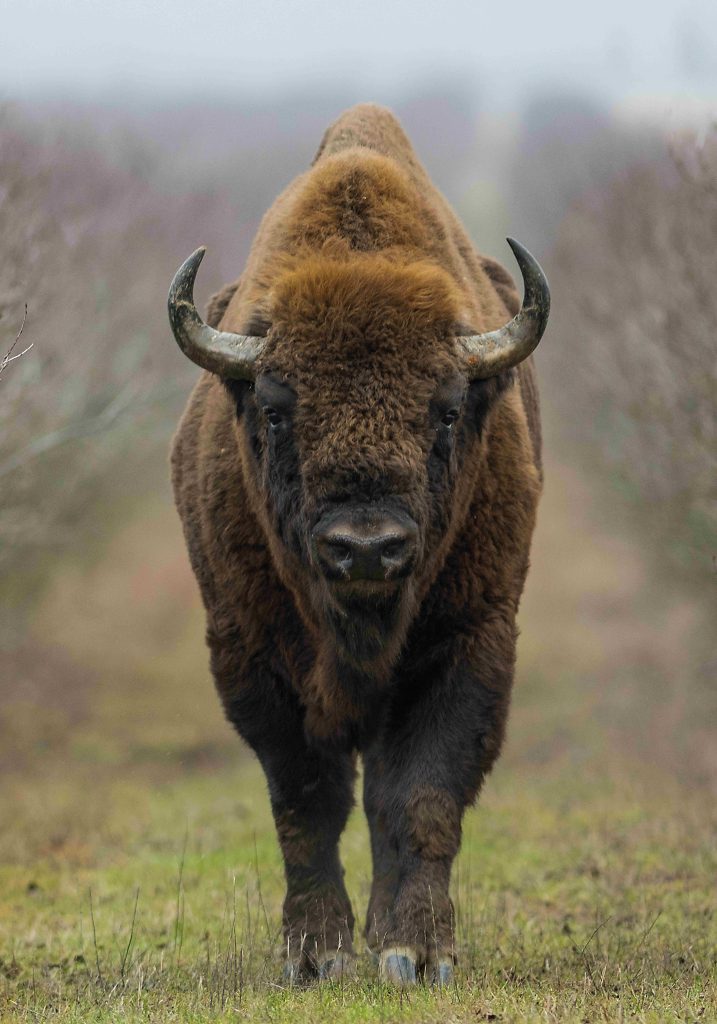
European Bison – Podlaskie Region, photo by Jarosław Jakóbczak
European bison is one of the main reasons for thousands of visitors to come to Bialowieza National Park every year. This largest wild mammal that lived in Europe, once inhabited the entire continent. The species was successfully reintroduced through the efforts of scientists at the dawn of the 20th c. Today, Poland is home to a ¼ of the world’s European bison population, the vast majority of which is found in the Białowieża Forest.
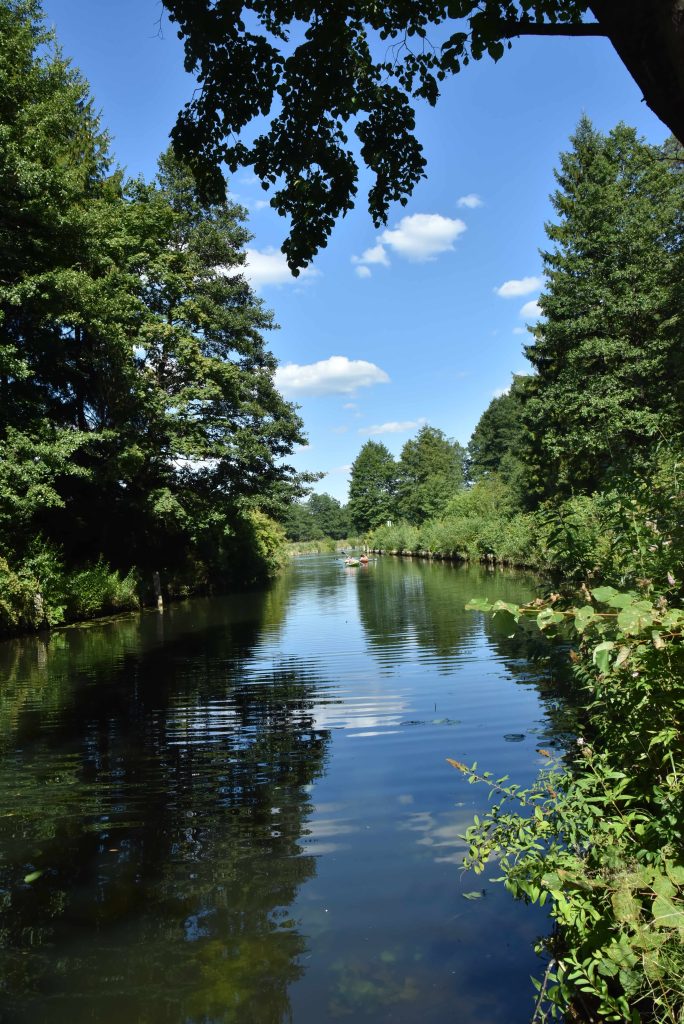
Augustów Canal – Podlaskie Region, photo by Jadwiga Koniecko
Augustów Canal is one of the Podlaskie region’s main tourist attractions. Being the largest investment of the Polish Kingdom in the 19th c., the Canal was recognized as a historic monument in 2007 by the President of Poland. The reason for its construction was to connect two rivers – the Vistula and the Neman, facilitating the transportation of goods to the Baltic sea without passing through Gdańsk and avoiding high Prussian duties. Today the Canal serves for tourists. Its total length is 101 km, part of which is in Belarus. On the Polish side, 14 of the 18 locks remain – with some of the original equipment still in place. Just like 200 years ago, the massive wooden sluice gates are opened manually, making a cruise on the Canal an even greater experience.
Warmia and Mazury Region
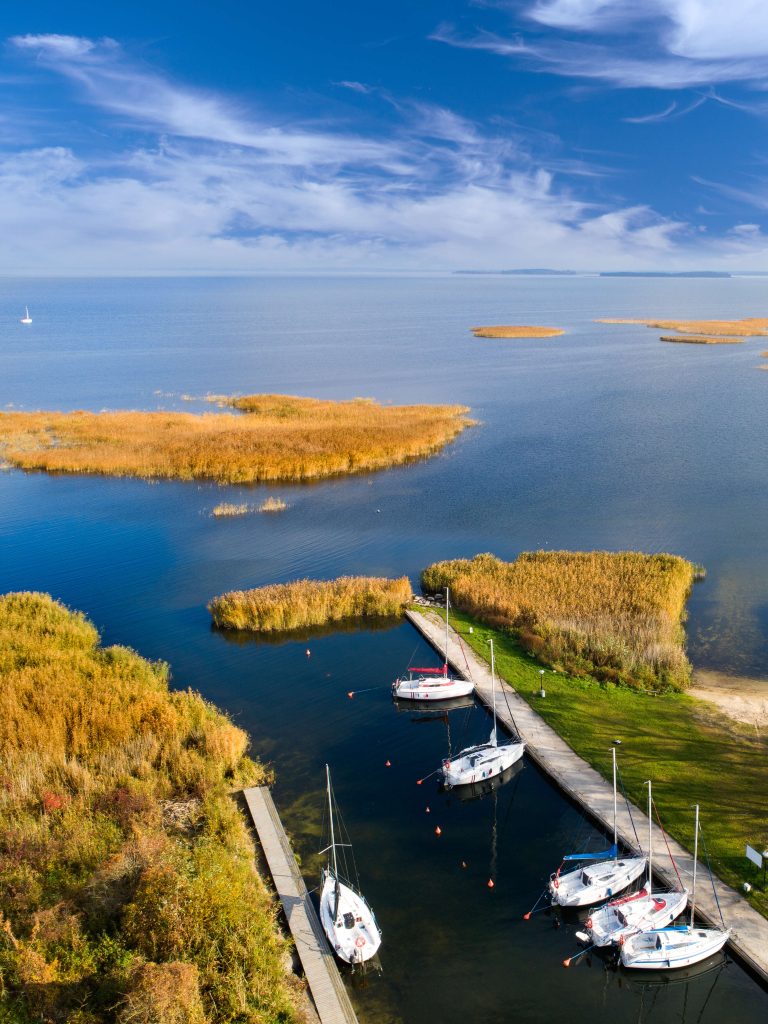
Śniardwy Lake – Warmia and Mazury Region, photo by Warmia and Mazury Marshal’s Office
Lake Śniardwy, the largest lake in Poland, captures the essence of Warmia and Mazury – a region of 3,000 lakes where nature is always within reach. Here, wide-open waters, reed islands and peaceful marinas create the perfect setting for sailing, birdwatching and true slow-life relaxation. This is a place where mornings begin with silence, fresh air and shimmering water, and every moment feels closer to nature. In Warmia and Mazury, tourists do not just visit the landscape – they live in it, breathe it and slow down with it.
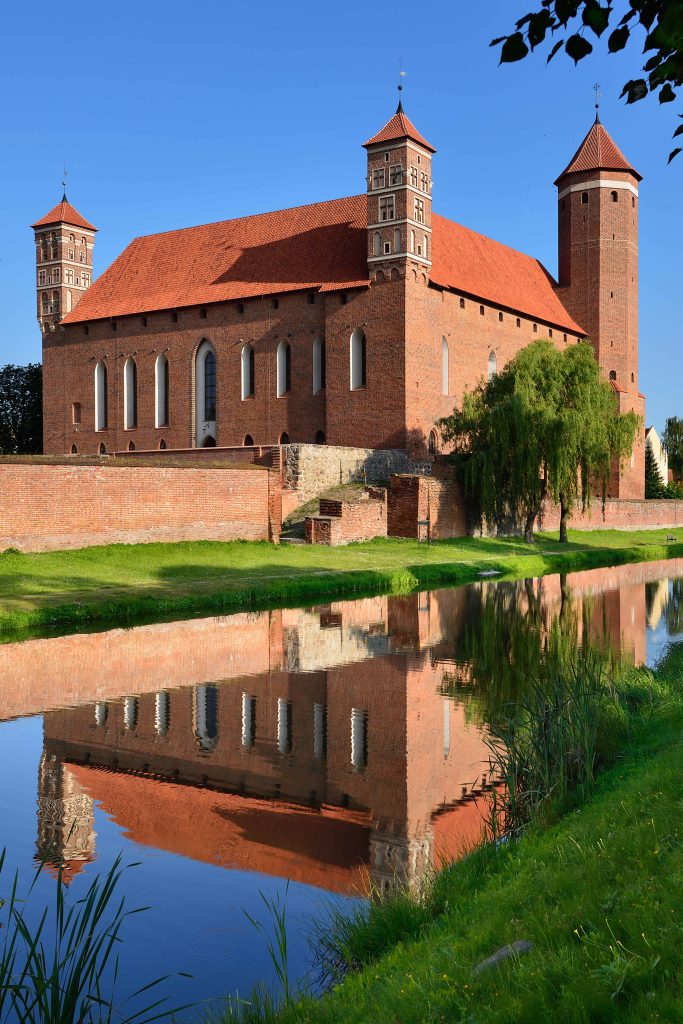
Lidzbark Warmiński Castle – Warmia and Mazury Region, photo by Warmia and Mazury Marshal’s Office
The Gothic castle in Lidzbark Warmiński is one of the true architectural treasures of northern Poland and a pearl of medieval heritage. Majestic red-brick walls, towers and arcaded interiors make this remarkable landmark a place where the spirit of the Middle Ages can still be felt. Once home to Warmian bishops, the castle combines history, art and atmosphere in a truly unforgettable way. Visiting Lidzbark Warmiński means stepping into a world of chivalric legends, Gothic beauty and timeless culture, right in the heart of Warmia.
See you in Eastern Poland.
Stay connected with East Poland House in Brussels on social media for exhibition updates, information about the upcoming contest related to the exhibition and future events promoting the five regions of Eastern Poland.
https://www.facebook.com/EastPolandHouse
https://www.linkedin.com/company/east-poland-house-in-brussels/